Industrial Services
Structural Steel Erection Overview
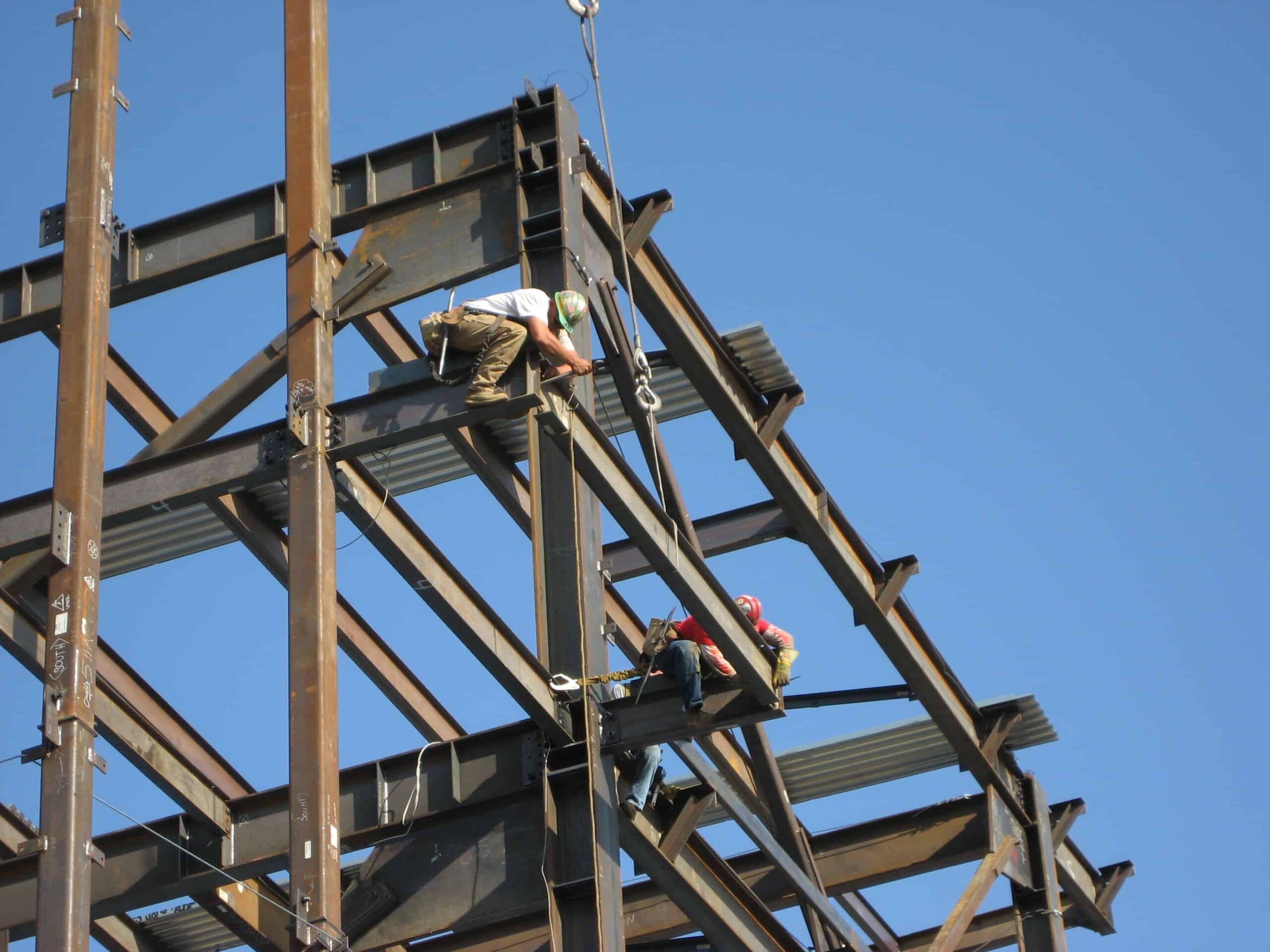
Commercial Contractors of Dallas coordinates structural steel erection for mid-rise office, industrial, mixed-use, and institutional construction projects across the Dallas metro. Steel framing drives pace on commercial builds, and the erection schedule directly determines when follow-on trades — concrete, envelope, MEP, and interior — can begin their work. A steel package that runs late or encounters field interference problems does not just slip its own dates; it compresses every subsequent trade's window. We manage structural steel coordination to prevent that compression. Steel procurement and fabrication lead times in North Texas have become a planning variable that requires active management, not passive tracking. Structural steel fabricators serving the Dallas market are operating on lead times that have extended significantly from historical norms. We establish fabrication release dates in preconstruction based on the actual current lead time for the specific project's tonnage and connection complexity, not based on what lead times were two years ago. That discipline is what keeps a June structural steel erection start from becoming an August start while the rest of the project schedule assumes the original milestone. Shop drawing review and approval is the most common source of fabrication delay on Dallas commercial steel packages. Engineer of record review cycles, contractor review cycles, and revision cycles create a timeline that must be started well before the fabrication release date. We build the shop drawing review schedule as a reverse-engineered path from the required erection start date and manage it as an active task, not as a background administrative process. Crane planning for Dallas commercial erection is a specific coordination item that varies significantly by project type. Urban infill projects in Uptown, the AT&T Discovery District adjacency, or downtown Dallas require city street-use permits, airspace coordination with adjacent buildings, tower crane anchor design, and neighbor notification that adds lead time to the mobilization schedule. Suburban and industrial projects at the Stemmons Corridor or the I-20 logistics arc have different constraints but still require detailed pick plans, ground-bearing pressure verification, and staging coordination. We develop the crane plan as a preconstruction deliverable, not a field-day decision. Dallas's spring hail season creates a specific structural steel construction risk: fresh field welds and painted steel surfaces are susceptible to surface damage during hail events, and wet weather creates field safety hazards on elevated work platforms. We schedule high-elevation welding and bolting operations around the spring weather window where possible and build weather-protection protocols into the lift plan for unavoidable spring erection programs.
Why Choose Commercial Contractors of Dallas for Structural Steel Erection?
As a Dallas-based commercial contractor, we understand the local permitting requirements, subcontractor networks, and construction logistics specific to the DFW metroplex. Our structural steel erection services are built around the unique demands of North Texas commercial development — from soil conditions and weather patterns to municipal code requirements across Dallas, Fort Worth, and surrounding jurisdictions. We coordinate directly with local inspectors, utility providers, and trade partners to keep your project on track.
Scope Coverage
- Steel procurement coordination with active lead-time management for current North Texas fabricator capacity
- Shop drawing review schedule built as reverse-engineered path from erection start date
- Erection sequencing plan with crane type selection, pick zones, and daily lift sequencing
- City street-use permits, airspace coordination, and neighbor notification for urban Dallas erection programs
- Tower crane anchor design coordination and base permit management for mid-rise projects
- Field bolting, welding, and connection inspection coordinated with special inspection program
- Metal deck installation, edge conditions, and shear stud coordination as integrated erection scope
- Field adjustments, tolerance control, and plumb-and-level verification during erection
- Spring weather protection protocol for fresh welds and coated steel surfaces during hail season
- Structure release documentation for follow-on trades with inspection records and as-built notation