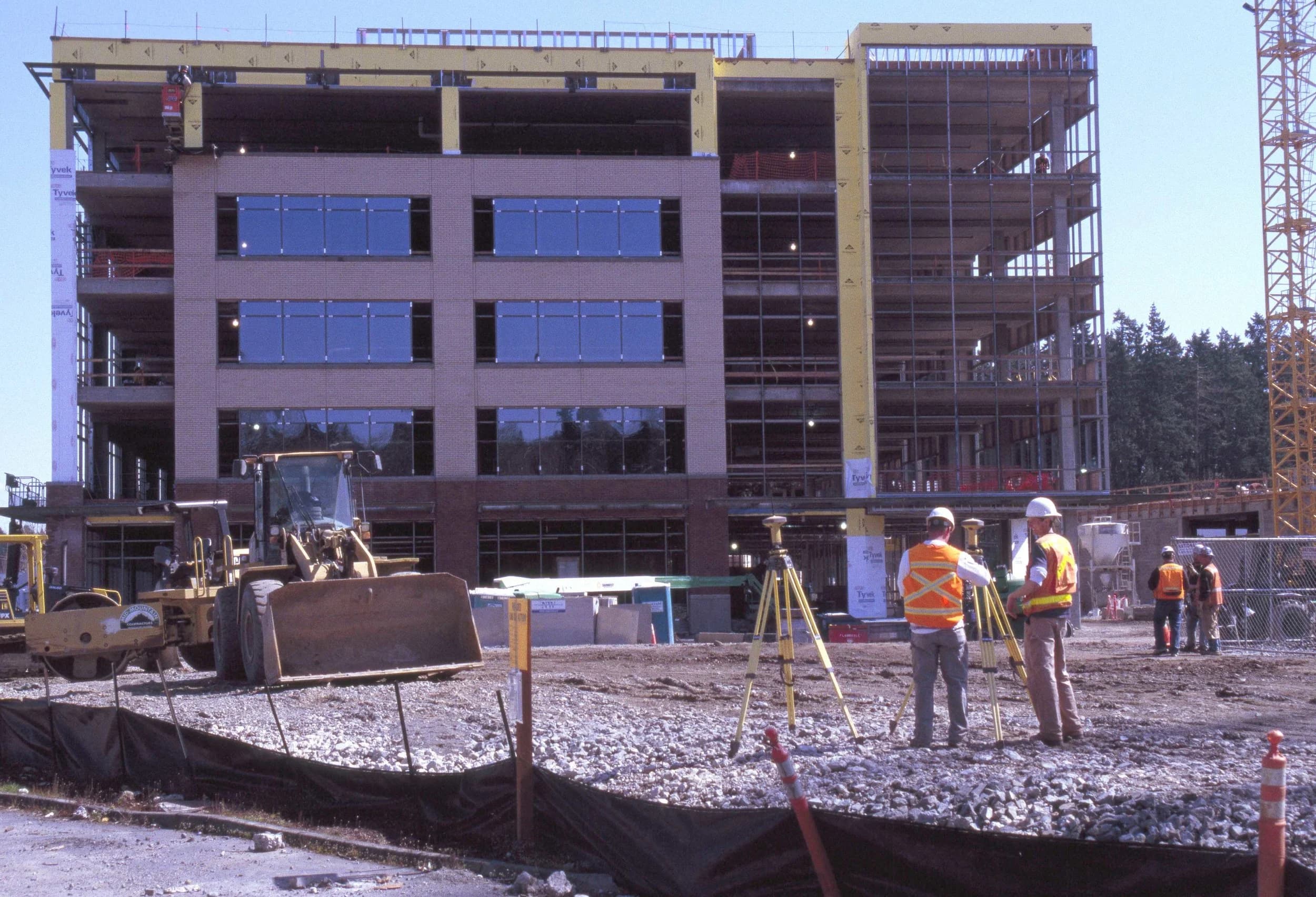
Planning and Delivery Services
Permitting and Entitlement Support Overview
Commercial Contractors of Dallas provides permitting and entitlement support for commercial, industrial, and mixed-use projects across the Dallas metro. Permit delays are among the most expensive problems a construction project encounters because they idle crews, freeze procurement commitments, and extend financing periods without producing any completed work. We treat permit coordination as an active management function — not as an administrative task that happens in the background while design advances. The City of Dallas Development Services Department is the primary permitting authority for most commercial projects in the city, and its review process has specific submission requirements, completeness check protocols, and interdepartmental coordination steps that determine how quickly a permit application moves through the queue. Projects that submit incomplete packages, miss required coordination sign-offs, or submit without pre-application meeting alignment with DSD reviewers frequently experience multiple-round comment cycles that add weeks or months to the approval timeline. We structure permit submissions to avoid those cycles. Dallas commercial permitting involves parallel review tracks that must be coordinated simultaneously. Building permit review runs through DSD. Fire prevention plan review runs through the Dallas Fire Marshal's office on a separate track with its own submission requirements and response timelines. Stormwater and drainage review involves the Dallas Department of Public Works. Projects in TIF districts, Urban Design review zones, or Historic Preservation conservation districts require additional review layers that affect the overall permitting schedule. We map all of those tracks at the start of preconstruction so the submission sequence is planned rather than discovered. Entitlement work — Planned Development amendments, SUP applications, Board of Adjustment cases, and zoning change requests — runs through a public-hearing process with fixed meeting calendars. Missing a City Plan Commission filing deadline means waiting six to eight weeks for the next available hearing date. We track those filing deadlines in the project schedule and coordinate with the design team and land use counsel to ensure submittals arrive before the cutoff, not after. Phased permitting is an important tool for compressing overall project schedule on complex Dallas commercial developments. Foundation permits, civil permits, and demolition permits can be obtained before the full building permit is complete if the submission strategy is planned to support phased approvals. We identify phased permit opportunities in preconstruction and coordinate the submission strategy with the design team so early-scope work can mobilize while the full building permit is still in review.
Why Choose Commercial Contractors of Dallas for Permitting and Entitlement Support?
As a Dallas-based commercial contractor, we understand the local permitting requirements, subcontractor networks, and construction logistics specific to the DFW metroplex. Our permitting and entitlement support services are built around the unique demands of North Texas commercial development — from soil conditions and weather patterns to municipal code requirements across Dallas, Fort Worth, and surrounding jurisdictions. We coordinate directly with local inspectors, utility providers, and trade partners to keep your project on track.
Scope Coverage
- Permit matrix development mapping all required approvals, review tracks, and filing deadlines
- City of Dallas Development Services pre-application meeting coordination and submission preparation
- Dallas Fire Marshal plan review submission, response tracking, and resubmittal coordination
- Stormwater, drainage, and public works review coordination with City of Dallas Department of Public Works
- TIF district, Urban Design Studio, and Historic Preservation review coordination where applicable
- PD amendment, SUP, Board of Adjustment, and City Plan Commission filing and hearing coordination
- Phased permit strategy development for foundation, civil, demolition, and shell ahead of full building permit
- Utility release documentation support for Oncor, DWU, and Atmos coordination
- Inspection scheduling coordination and field inspection readiness verification
- Closeout permit documentation including Certificate of Occupancy application and final agency sign-offs