Commercial Services
Multifamily Construction Overview
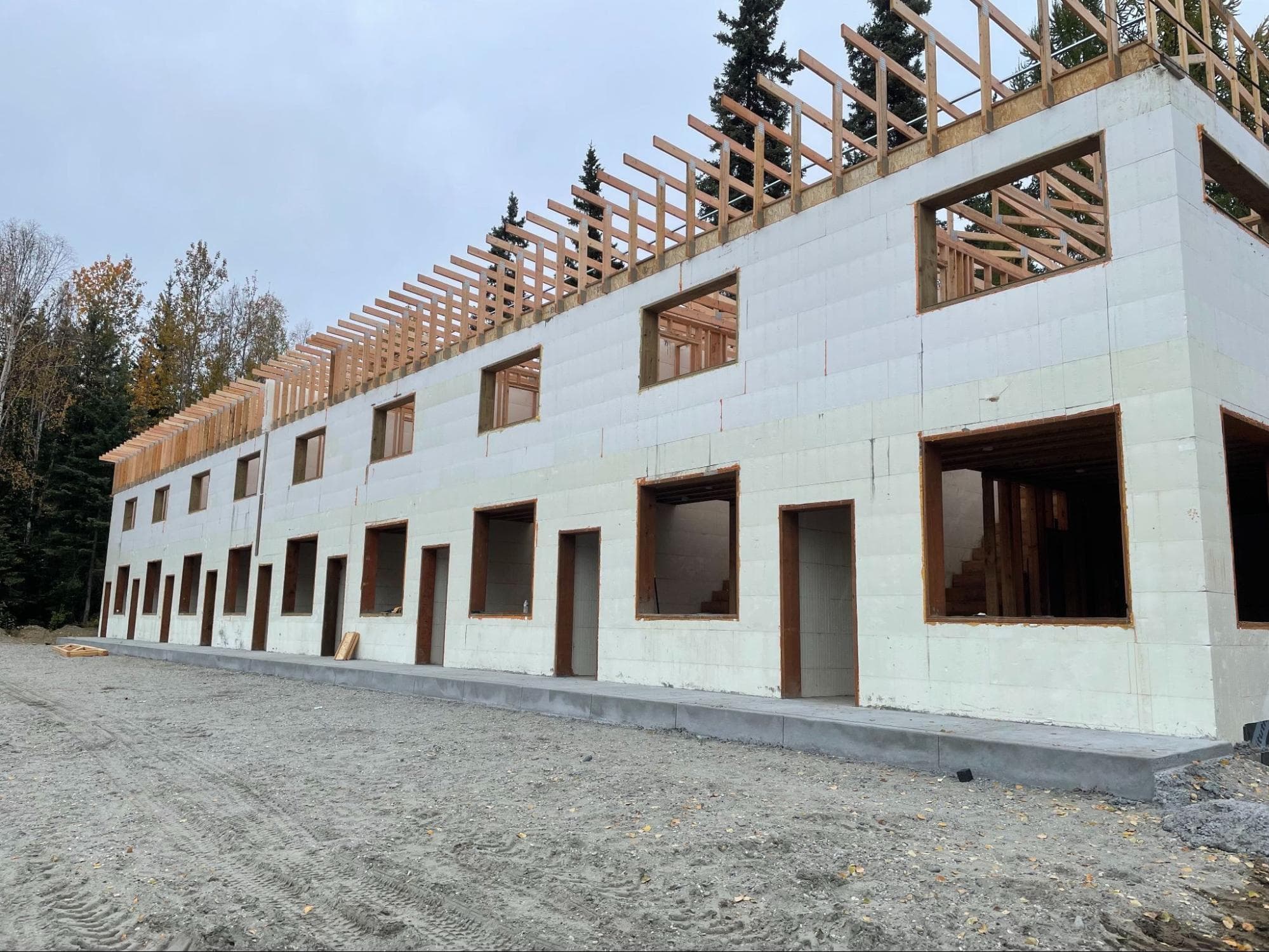
Commercial Contractors of Dallas delivers ground-up multifamily construction for developers, equity groups, and owner-operators across the Dallas metro. Dallas's multifamily market is driven by population growth, corporate relocations — AT&T, Comerica, and Tenet Healthcare's employee bases generate continuous apartment demand — and transit-oriented development along DART's Blue, Red, Green, and Orange lines. We build across all major Dallas multifamily formats: wrap and podium towers in Uptown and the Knox-Henderson corridor, mid-density wood-frame communities near the Arts District and Deep Ellum, and garden-style product in the suburban ring along the Dallas North Tollway and Sam Rayburn Tollway. Multifamily construction schedule management is primarily a phasing problem. Building-by-building turnover sequencing directly determines when leasing revenue starts. Every day a building stays in construction past its projected turnover date is a day the ownership team is financing a non-revenue-producing asset. We run production meetings by building, track punch completion by floor and unit, and align inspection scheduling with the City of Dallas residential review process to prevent CO delays from extending the lease-up timeline. Podium and wrap construction in Dallas's urban core brings specific challenges that garden-style product does not. Podium slabs require coordination with parking structure contractors and civil teams. Wrap configurations place wood-frame residential floors above a retail or podium commercial base, which creates fire separation requirements, MEP penetration management, and structural connection details that need careful pre-submittal coordination. We manage those interfaces as part of our scope rather than treating each building system as an independent trade problem. Dallas's urban infill multifamily sites — Uptown, Knox-Henderson, Lower Greenville, and the areas around the AT&T Discovery District and Klyde Warren Park — frequently involve constrained staging, street-use permits, tower crane permits, and adjacent construction coordination with other active projects. We build site logistics plans that account for those constraints before mobilization and maintain those plans through the full construction period rather than improvising around changing field conditions. Blackland Prairie clay and the deep expansive soil layer under many Dallas infill sites make foundation selection critical on multifamily construction. Drilled pier systems are common on urban sites. Moisture management during construction — particularly during the winter wet season and spring storm season — protects both foundations and wood-frame structure from the moisture-related damage that can compromise unit quality and generate warranty claims after occupancy.
Why Choose Commercial Contractors of Dallas for Multifamily Construction?
As a Dallas-based commercial contractor, we understand the local permitting requirements, subcontractor networks, and construction logistics specific to the DFW metroplex. Our multifamily construction services are built around the unique demands of North Texas commercial development — from soil conditions and weather patterns to municipal code requirements across Dallas, Fort Worth, and surrounding jurisdictions. We coordinate directly with local inspectors, utility providers, and trade partners to keep your project on track.
Scope Coverage
- Podium concrete, parking structure, and wood-frame above-grade building delivery
- Wrap building structural and envelope coordination over commercial ground-floor base
- Garden-style building phasing for suburban multifamily communities
- Clubhouse, amenity deck, pool, and fitness center construction
- Parking structure, surface drives, and site utilities for the community footprint
- Unit finish sequencing by building and floor with punch inspection tracking
- Fire protection, life safety, and stair pressurization system integration
- Constrained urban site logistics planning for Uptown, Knox-Henderson, and infill sites
- Phased certificate of occupancy management coordinated against lease-up schedule
- Tower crane permit coordination, adjacent construction management, and street-use permitting